All About Toothbrushes: Comprehending Their Role in Maintaining a Healthy Smile
Toothbrushes are fundamental tools in oral health. They aid get rid of plaque and food particles, adding significantly to dental health and wellness. The variety of toothbrushes offered today deals with individual choices and specific oral needs. Understanding these alternatives and their proper use can bring about better dental care. However, many individuals may not recognize the full impact of Toothbrush selection and maintenance on their general oral health and wellness. What factors should one think about to absolutely optimize their Toothbrush experience?
The History of Toothbrushes
The development of tooth brushes reflects humankind's recurring quest for dental hygiene. Early people made use of basic tools, such as branches and pet bones, to cleanse their teeth. The old Egyptians crafted torn ends of sticks into primitive tooth brushes around 3000 BC, while the Chinese established the initial bristled Toothbrush in the 15th century, utilizing pet hair connected to bamboo handles. This creation marked a considerable innovation in dental treatment.
Kinds of Toothbrushes
Numerous sorts of tooth brushes are developed to meet the diverse needs of users. Hand-operated tooth brushes, one of the most usual kind, can be found in different bristle staminas and head sizes, allowing people to pick one that really feels effective and comfortable. Electric tooth brushes have acquired appeal for their capacity to provide regular cleaning movement, commonly featuring timers and pressure sensing units to boost oral treatment. Additionally, there are specialized toothbrushes, such as those made for youngsters, which commonly feature fun layouts and smaller sized heads for easier handling. Some customers might choose soft-bristled brushes, which are gentler on gums, while others select medium or difficult bristles for more hostile cleaning. Moreover, non reusable toothbrushes act as practical options for traveling. Each kind serves an one-of-a-kind function, making certain that individuals can find a tooth brush that aligns with their certain oral health methods and preferences, eventually contributing to much better dental wellness.
How to Pick the Right Toothbrush
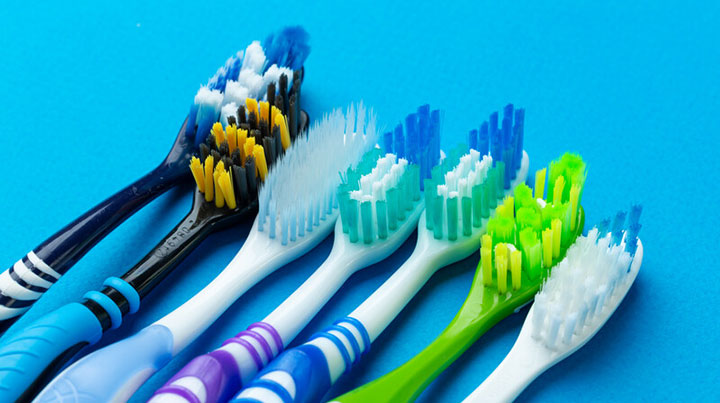
In addition, the take care of should provide a comfortable grasp, permitting for reliable control throughout cleaning. Electric toothbrushes can be helpful for some, using functions like timers and pressure sensors that enhance oral treatment. It is additionally vital to review individual preferences, such as sensitivity and any specific oral problems, when selecting a toothbrush. Ultimately, speaking with a dental specialist can supply tailored referrals, making certain one picks a tooth brush that finest satisfies their oral wellness requirements.
Proper Toothbrush Use Methods
Understanding proper Toothbrush use strategies is essential for preserving perfect dental health and wellness. This includes picking the right brush, employing the proper cleaning method, and adhering to advised regularity and period for cleaning sessions. Each of these elements plays an essential role in attaining a brighter, healthier smile.
Picking the Right Brush
Choosing the appropriate Toothbrush is crucial for maintaining ideal oral health and achieving a healthy smile. Consumers must take into consideration numerous aspects when selecting a tooth brush. To begin with, the bristle type is necessary; soft bristles are typically advised to avoid periodontal damages while successfully cleaning up teeth. In enhancement, the brush head size must be appropriate for the individual's mouth, enabling very easy access to all areas (Toothbrushes). Furthermore, customers might pick between manual and electric tooth brushes, with electric options commonly giving improved cleaning up performance. Individual preferences, such as take care of grip and color, can influence the selection. Guaranteeing the best Toothbrush is picked can greatly influence the performance of day-to-day oral care routines and contribute to long-term dental health and wellness
Correct Brushing Strategy
Several people have a toothbrush, not everyone knows the proper method for efficient cleaning. Proper cleaning begins with placing the Toothbrush at a 45-degree angle to the gum tissue line, permitting the bristles to reach both the teeth and gums. Mild, round activities are suggested, preventing severe scrubbing up, which can damage enamel and irritate gums. Each quadrant of the mouth must be offered equivalent focus, making sure detailed cleansing of all surface areas-- external, internal, and chewing locations. It is additionally necessary to clean the tongue to freshen and eliminate microorganisms breath. Following these techniques can improve plaque removal and add to overall oral health and wellness, advertising a brighter, much healthier smile.
Regularity and Duration
Preserving a constant cleaning routine is crucial for excellent oral wellness. Once in the early morning and as soon as before bed-- to effectively get rid of plaque and stop tooth decay, dental experts recommend brushing at the very least two times a day--. Each cleaning session should last for at the very least two mins, allowing ample time to clean up all surface areas of the teeth completely. It is vital to use gentle, circular movements to shield the gums while successfully cleansing the enamel. Additionally, individuals ought to change their Toothbrush every 3 to 4 months or quicker if the bristles end up being frayed. By adhering to these guidelines, individuals can considerably improve their dental hygiene methods and contribute to long-lasting oral wellness. Uniformity in regularity and period is key to maintaining a healthy smile.
Tips for Preserving Your Toothbrush
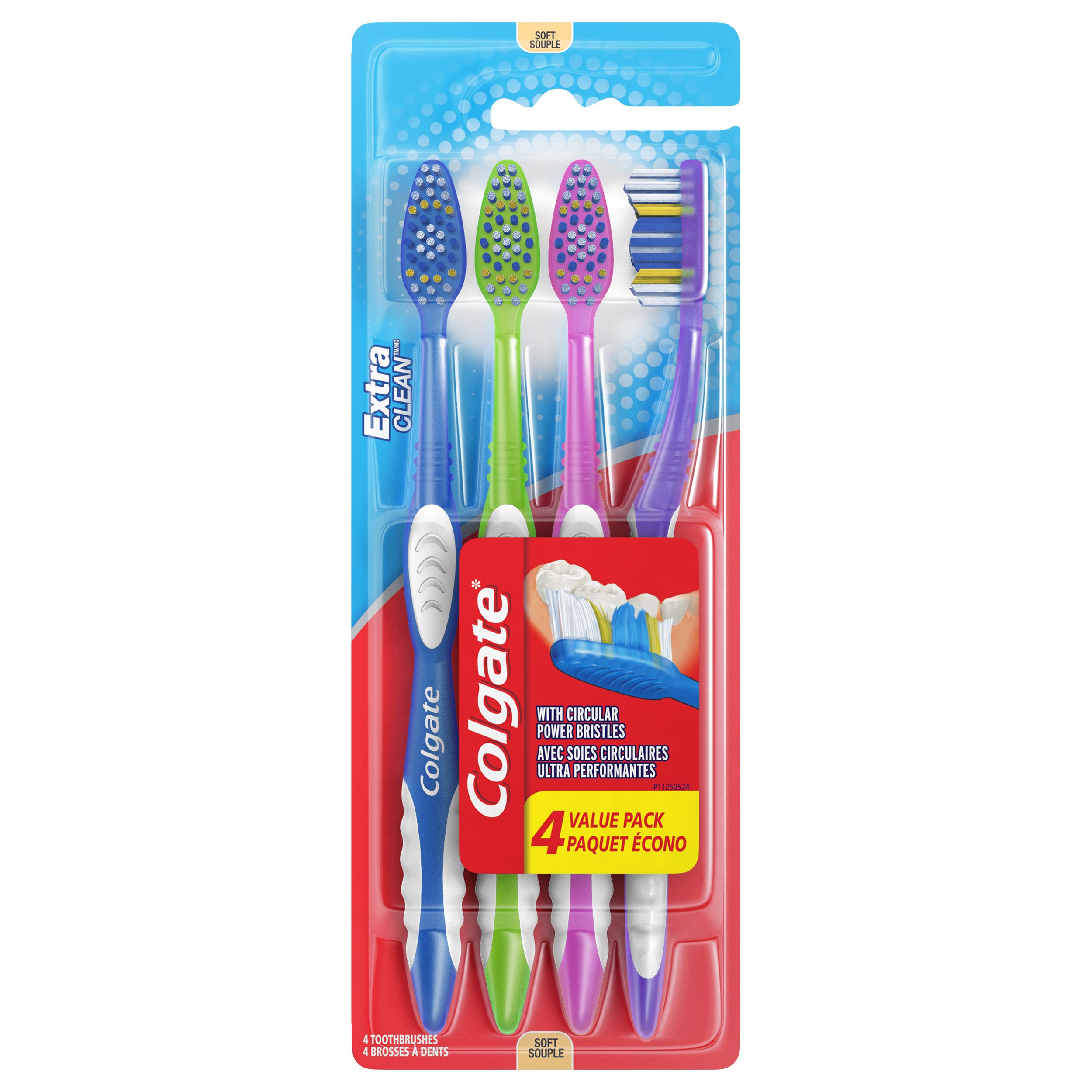
Preserving a toothbrush is vital for dental health and wellness. Toothbrushes. Appropriate storage space techniques, a regular replacement schedule, and regular cleansing can greatly boost its performance. By adhering to these standards, people can ensure their Toothbrush continues to be a reliable tool for achieving a healthy smile
Appropriate Storage Space Strategies
To ensure a toothbrush continues to be hygienic and Click Here efficient, proper storage space methods are vital. After brushing, it is necessary to extensively rinse the Toothbrush under running water to remove tooth paste and debris. The Toothbrush must be kept upright in a holder, enabling air flow to help with drying out. Keeping the Toothbrush in a shut container or drawer can advertise bacterial growth due to moisture retention, so this must be avoided. Additionally, it is advisable to preserve a range from other tooth brushes to stop cross-contamination. For houses with several customers, individual owners can help keep brushes different. Routine cleaning of the storage location can additionally boost hygiene, guaranteeing that the Toothbrush continues to be a trustworthy device for dental health.
Normal Substitute Schedule
A consistent substitute timetable is vital for assuring the effectiveness of a toothbrush. Dental specialists advise replacing toothbrushes every three to 4 months, or faster if the bristles come to be frayed. Worn bristles do unclean teeth effectively and can harbor germs, lessening dental health efforts. Additionally, individuals recuperating from illness should consider replacing their tooth brushes to stop reinfection. This simple practice promotes ideal dental wellness and enhances the general efficacy of cleaning. Furthermore, those making use of electric tooth brushes should verify they change the brush heads according to the manufacturer's guidelines. Sticking to a normal replacement schedule not only supports a healthy smile yet likewise reinforces the significance of preserving appropriate oral health techniques.
Cleansing Your Tooth brush
Cleansing a toothbrush routinely is necessary for making sure perfect dental hygiene. Over time, tooth brushes can harbor bacteria, which might endanger dental health. To keep a clean tooth brush, it is advised to wash it thoroughly under cozy water after each usage, ensuring all tooth paste and debris are removed. In addition, soaking the Toothbrush in a solution of equivalent parts vinegar and water can aid sanitize the bristles. This should be done as soon as a week for ideal outcomes. It is likewise advisable to save the Toothbrush in an upright setting, enabling it to air dry and protect against dampness buildup. Avoid sharing toothbrushes, as this can move damaging bacteria. Following these pointers can prolong the life of the Toothbrush and promote far better oral hygiene.
The Influence of Toothbrushes on Oral Health
While lots of factors add to oral wellness, the choice of Toothbrush can greatly affect an individual's oral hygiene regimen. The design and bristle kind of a toothbrush are crucial elements that impact plaque elimination and gum tissue health. Soft bristles are normally recommended by dental experts, as they properly tidy teeth without causing damage to the periodontals. In addition, the dimension of the Toothbrush head ought to permit for simple handling in the mouth to get to all locations, consisting of difficult-to-access back teeth.
Electric toothbrushes have also acquired appeal because of their capacity to provide even more efficient and constant cleansing with oscillating or turning activities. Researches show that users of electrical tooth brushes typically accomplish much better plaque reduction compared to hands-on brushes. In general, the best Toothbrush can improve an individual's oral hygiene practices, bring about boosted total wellness end results and a lowered danger of dental issues such as cavities and gum condition.
Regularly Asked Concerns
How Typically Should I Replace My Tooth brush?
If the bristles become frayed, experts recommend changing a tooth brush every 3 to 4 months or faster. Routine replacement assurances efficient cleansing and lowers the risk of bacteria build-up, adding to far better oral hygiene overall.
Can I Use an Electric Toothbrush Without Toothpaste?
Yes, an electrical Toothbrush can be made use of without tooth paste (Toothbrushes). Making use of toothpaste improves cleansing performance and supplies added benefits, such as fluoride defense. As a result, it is generally suggested to use tooth paste for suitable oral hygiene
What Bristle Firmness Is Ideal for Delicate Teeth?
People with delicate teeth generally take advantage of soft bristle tooth brushes. These bristles effectively top article clean teeth while lessening pain, enabling a gentler cleaning experience that can help maintain oral hygiene without exacerbating sensitivity problems.
Do I Need an Unique Toothbrush for Braces?

Are Bamboo Toothbrushes Better for the Environment?
Bamboo tooth brushes are usually considered much better for the atmosphere because of their naturally degradable nature and minimized plastic use. They give a lasting choice, aiding to reduce waste while still effectively advertising oral hygiene.
The old Egyptians crafted frayed ends of sticks right into primitive toothbrushes around 3000 basics BC, while the Chinese developed the initial bristled Toothbrush in the 15th century, using pet hair connected to bamboo handles. Recognizing appropriate Toothbrush use methods is vital for maintaining perfect dental health. Picking the suitable Toothbrush is essential for preserving ideal dental health and accomplishing a healthy and balanced smile. Preserving a tooth brush is important for oral health. While several aspects contribute to oral wellness, the choice of Toothbrush can substantially influence a person's dental health regimen.
Comments on “Toothbrushes and Tooth Sensitivity: How to Minimize Discomfort”